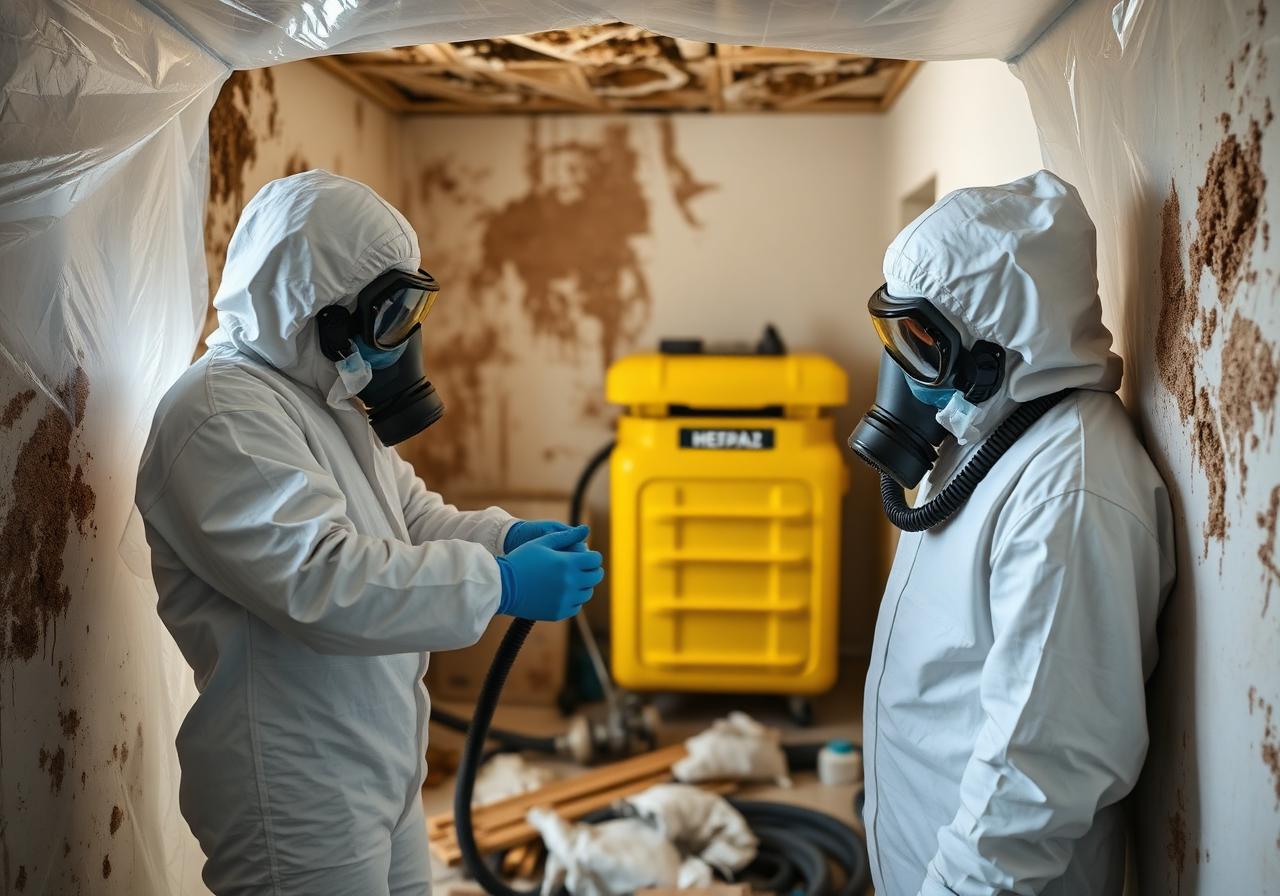
Not every spot of mold needs a hazmat suit. But cleaning the wrong type the wrong way can push spores through your ductwork and turn a $50 problem into a $5,000 one. Here's the honest breakdown of what you can safely tackle on a Saturday afternoon, and what needs a certified Minneapolis remediation crew.
The 10 Square Foot Rule (and why it exists)
The EPA's mold guidance for homeowners is simple: if the affected area is smaller than about 10 square feet (a 3-by-3 foot patch) and the surface is hard and non-porous, you can clean it yourself. Anything larger, anything porous, or anything tied to a water source you don't understand needs professional help.
That number isn't arbitrary. Above 10 square feet, the spore load during cleanup is high enough to cross-contaminate other rooms without proper containment, negative air pressure, and HEPA filtration. That's the same gear an IICRC certified team brings to every job.
When DIY is fine
- A small ring of mildew on bathroom tile or grout
- Surface mold on a sealed window frame or finished metal
- A patch on sealed concrete after a one-time spill that has fully dried
- Mildew on the inside of a fridge gasket or washing machine seal
For these jobs: open a window, wear an N95 and gloves, scrub with detergent and warm water (not bleach on porous surfaces), dry the area completely, and fix the moisture source. If it comes back within a few weeks, the moisture source isn't fixed and DIY won't solve it.
When to call a professional
- Any visible mold larger than roughly 10 square feet
- Suspected black mold (dark, slimy, musty Stachybotrys)
- Mold on drywall, insulation, wood framing, or carpet
- Mold after a sewage backup, flooded basement, or burst pipe
- Mold in HVAC ductwork or near the air handler
- Anyone in the household with asthma, allergies, COPD, or weakened immunity
- Real estate transactions, insurance claims, or rental disputes
In every one of these cases the cost of getting it wrong is higher than the cost of the job. Improper cleanup releases spores into the rest of the home, and porous materials like drywall and wood have to be physically cut out, bagged, and replaced. There is no spray that fixes that.
Side-by-side: DIY vs. IICRC certified remediation
| Factor | DIY cleanup | Professional remediation |
|---|---|---|
| Safe area size | Under 10 sq ft, non-porous only | Any size, any material |
| Containment | None | Plastic barriers + negative air pressure |
| Air filtration | Open window | HEPA scrubbers, AFDs |
| PPE | N95 + gloves | Full-face respirator, Tyvek suit |
| Porous materials | Cannot fully remove | Cut out and bagged per IICRC S520 |
| Moisture source fix | On you | Diagnosed and documented |
| Clearance testing | None | Optional third-party air sample |
| Cost | $20–$100 in supplies | $500–$6,000+ depending on scope |
| Insurance / real estate | Not accepted | Documented report accepted |
The hidden cost of improper cleanup
The job we get called to fix most often isn't the original mold. It's the failed DIY attempt. Bleach poured on drywall kills the surface, drives moisture deeper, and the mold returns three months later, twice as big and now in the wall cavity. Sanding contaminated drywall without containment puts spores in every HVAC return. Painting over mold with kilz traps it for a few months, then it bleeds back through.
The long-term health risk is real too. Chronic exposure to mold spores, even non-toxic species, is linked to persistent sinus infections, asthma flare-ups, and skin reactions. The Minnesota Department of Health flags young kids, older adults, and anyone immunocompromised as high-risk groups who should not be in the home during cleanup.
If you're going to DIY, do it the right way
- Fix the leak or moisture source first. Mold without water is dead mold.
- Seal the room off with plastic sheeting and tape. Run an exhaust fan blowing out a window.
- Wear an N95 (better: a P100), nitrile gloves, and safety glasses.
- Scrub non-porous surfaces with hot water and dish soap, then dry fully within 24 hours.
- Bag waste in heavy contractor bags, double-bag, and take straight outside.
- Watch for 30 days. If anything comes back or you start feeling symptoms, stop and call.
Not sure which side of the line you're on?
Free on-site inspection across the Minneapolis metro. We'll tell you honestly if it's a DIY job and walk you through it, or write a flat quote if it isn't. No pressure.