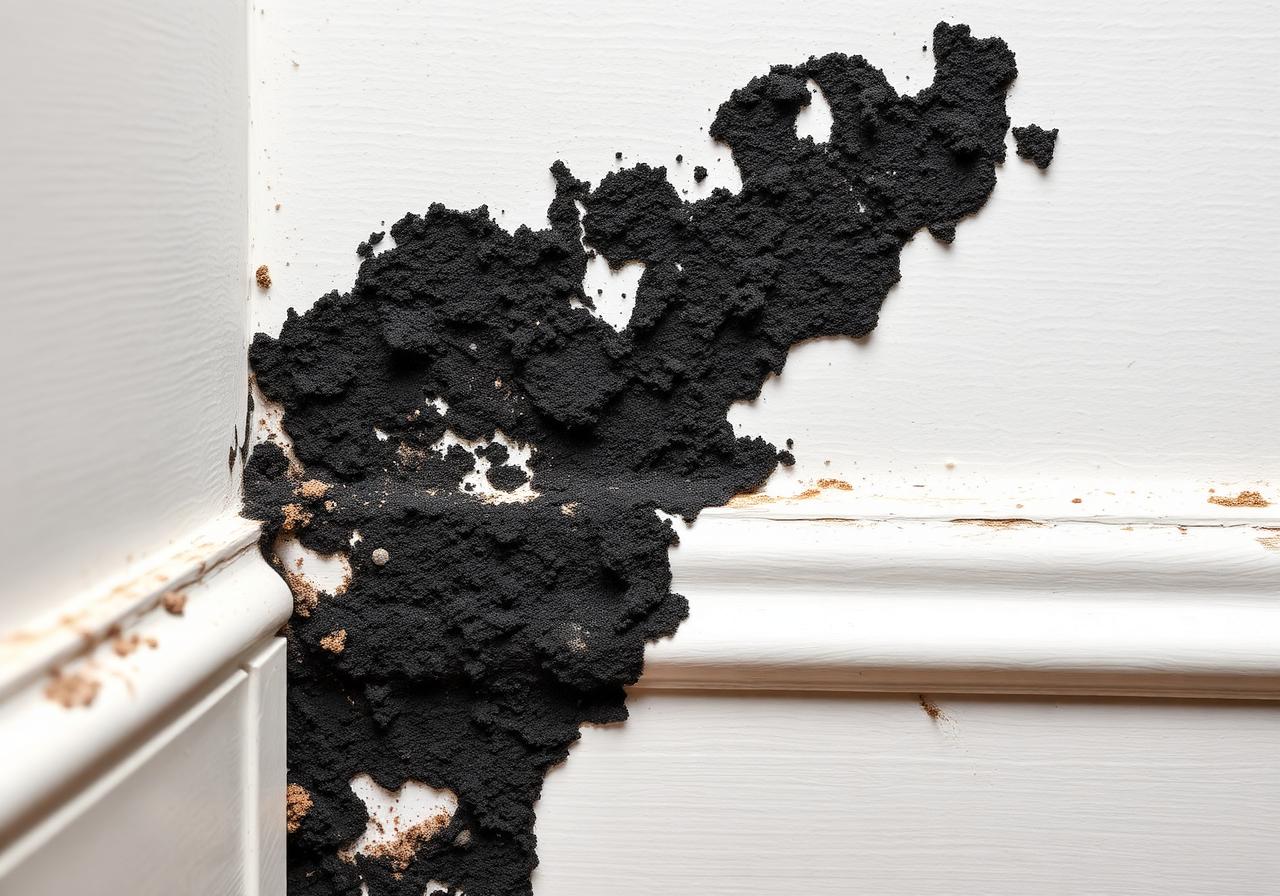
If you suspect black mold in your home and you've been feeling off, you're not imagining it. The link between Stachybotrys exposure and respiratory symptoms is well documented by the CDC and EPA. Here are the 10 warning signs to take seriously, and the line between 'see a doctor' and 'leave the house today.'
1. Persistent nasal congestion and sneezing
The most common first symptom. Spores irritate the lining of your nose and sinuses, triggering an allergy-like response. If you've had a "cold" for three weeks that won't go away, especially one that fades when you travel, mold is a likely culprit.
2. Itchy, watery, or red eyes
Mold spores irritate mucous membranes. Eye symptoms that flare up indoors and ease outside are a strong indoor air quality signal.
3. Scratchy throat and chronic cough
Dry cough that's worse at night, when you've been breathing the same indoor air for hours, is classic mold exposure. A phlegm-producing cough can mean fungal colonization in the airway and warrants a doctor visit.
4. Headaches and brain fog
Mycotoxins from Stachybotrys are inflammatory. Many people report frontal headaches, difficulty concentrating, and a general "fuzzy" feeling that clears up when they're out of the house for a day or two.
5. Unexplained fatigue
Bone-tired even after a full night's sleep. Chronic low-grade inflammation from mold exposure drains energy in a way that mimics a viral illness without the fever.
6. Asthma attacks or new wheezing
If you have asthma and your inhaler isn't holding you the way it used to, check your home before you change medications. New-onset wheezing in adults with no asthma history is a serious mold red flag.
7. Skin rashes
Itchy, dry, or eczema-like rashes that don't respond to normal moisturizer. Spores settle on skin and clothing and trigger reactions in sensitive people.
8. Sinus infections that keep coming back
Chronic sinusitis is one of the conditions ENTs most commonly link back to indoor mold. If you've had three or more rounds of antibiotics in a year, ask about an air quality test.
9. Nosebleeds, especially in kids
Mycotoxins can damage the delicate capillaries in the nasal lining. Frequent nosebleeds in children with no other explanation deserve a pediatrician visit and a home inspection.
10. Worsening symptoms in vulnerable family members
Babies, older adults, and anyone with asthma, COPD, or a weakened immune system will react first and hardest. If grandma starts wheezing every time she visits, the problem is probably your house, not her.
When to call a doctor vs. leave the house
Call a doctor for any persistent symptom over two weeks, especially respiratory. Leave the house immediately if anyone is having serious trouble breathing, coughing up blood, or showing signs of an acute allergic reaction. Then call a certified remediation team to inspect before you go back in.
The fastest way to get answers
If you've checked yes to three or more symptoms and you suspect mold, an inspection is the next step. A 90-minute visit with moisture mapping and air sampling will tell you whether what you're feeling matches what's in your air, and exactly where it's coming from.
Worried about mold in your home?
Free on-site inspection across the Minneapolis metro. IICRC certified, fully insured, and we'll give you a straight answer, not a sales pitch.