Mold needs three things: a spore (always present), an organic surface (wood, drywall, dust), and moisture. The first two you can't control. Moisture is where every mold problem is solved or repeated. Here's where it comes from in a typical Minnesota home.
1. Slow plumbing leaks
The classic. A dripping shut-off valve under the kitchen sink, a pinhole in a copper line behind a wall, or a slow toilet supply leak puts a few drops a day into the cavity. You won't notice until the floor warps or the drywall bubbles, by which point the framing is colonized. Check under every sink twice a year and trust your nose: a musty cabinet means a leak.
2. Ice dams and roof leaks
This is the Minnesota special. Warm attic air melts snow on the roof, water runs down to the cold eave and refreezes, the dam backs water up under the shingles, and that water ends up in your attic insulation. Every spring we get a wave of attic mold jobs from last winter's ice dams. Fix attic ventilation and insulation, not just the dam.
3. High indoor humidity
Above 60% relative humidity, mold can grow on settled house dust without any water source at all. Common causes: too many people for the ventilation, indoor drying of laundry, fish tanks, houseplants, cooking without a range hood, and showers without a working bath fan. A cheap hygrometer is $15; run a dehumidifier if it reads above 50%.
4. Bathroom and kitchen ventilation that doesn't work
Bath fans vented into the attic instead of outside, range hoods that just recirculate, and bath fans rated for the wrong room size all dump moist air into building cavities. Run the bath fan during your shower and for 20 minutes after. If it doesn't hold a piece of toilet paper to the grille, replace it.
5. Basement seepage and foundation cracks
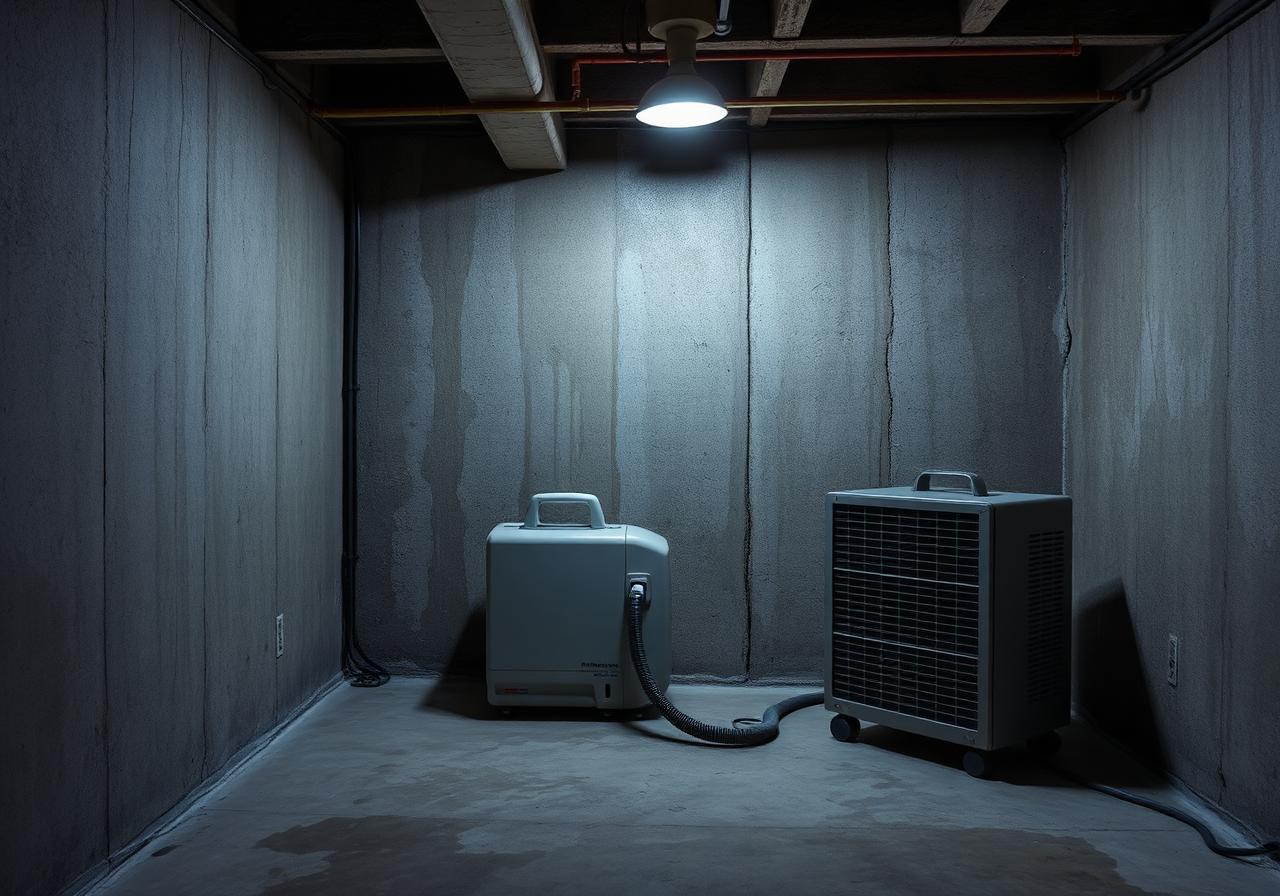
Minneapolis basements were mostly built before modern waterproofing. Hydrostatic pressure from clay soil after heavy rain or spring melt pushes water through cracks, cold joints, and the cove between wall and floor. Often the only sign is a white powder (efflorescence) at the base of the wall and a musty smell. Long-term fix: regrade soil away from the foundation, extend downspouts 6+ feet, and consider interior drain tile.
6. Condensation on cold surfaces
Window frames, exterior wall corners, and uninsulated rim joists get cold enough in winter that warm indoor air condenses on them. That condensation sits, soaks the surface, and feeds mold. Add storm windows, insulate the rim joist, and run a dehumidifier in basements year-round if you can.
7. Flooded basements and burst pipes
Mold can colonize wet drywall within 24 to 48 hours. After any water event, dry everything within two days using fans and dehumidifiers, pull baseboards, and cut out anything that stayed wet. If you wait a week, you're looking at remediation no matter how good the drying gets afterward.
How to dry out a house and keep mold away
- Keep indoor humidity between 30 and 50% year-round, hygrometer on every floor
- Bath fans vented to outside, run them 20 minutes after every shower
- Range hood vented to outside, use it every time you cook
- Dehumidifier in the basement May through September, drain to a floor drain
- Gutters cleaned twice a year, downspouts at least 6 feet from foundation
- Annual roof and attic inspection, fix ice dam risks before the first big snow
- Check under every sink and around the water heater twice a year
Already smell something musty?
Prevention is the long game. If you already smell mold or see warning signs, the moisture is already there and waiting isn't free. A free inspection finds the source, maps the damage, and tells you the cheapest way to fix it for good.
Worried about mold in your home?
Free on-site inspection across the Minneapolis metro. IICRC certified, fully insured, and we'll give you a straight answer, not a sales pitch.