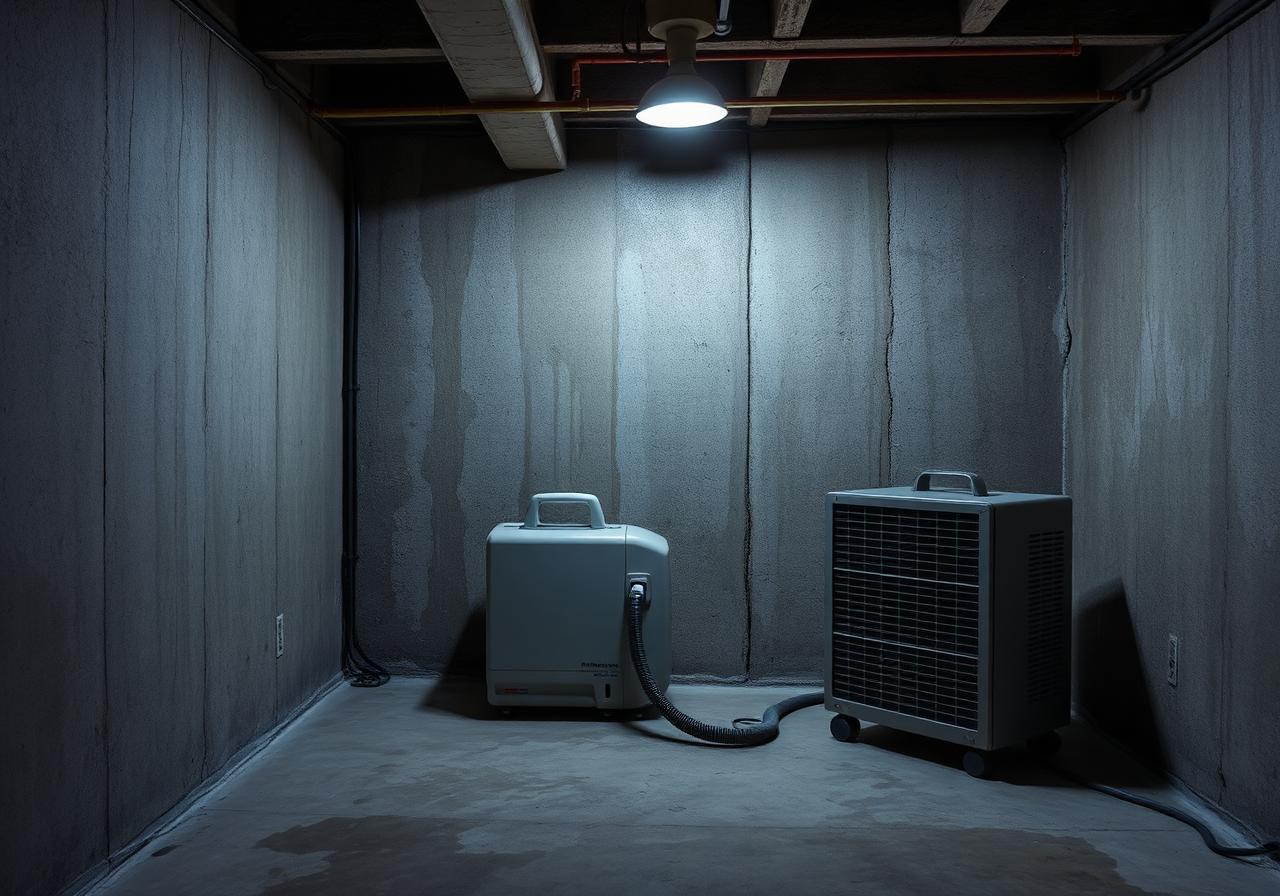
Mold doesn't smell like one specific thing. It smells like a category: damp, earthy, organic, slightly sour. Most people describe it as musty, but that word is doing a lot of work. Here's what's actually happening, and how to use your nose to find mold you can't see.
The science of the musty smell
What you're smelling is not the mold itself. It's microbial volatile organic compounds, or mVOCs, gases released as mold digests drywall, wood, insulation, and dust. Different species produce slightly different cocktails, which is why one mold problem smells like wet cardboard and another smells faintly sweet or chemical.
The 6 ways people describe mold smell
- Wet cardboard or old paper, the most common description, usually points to mold on drywall paper or behind books and stored boxes.
- Old socks or a damp gym bag, classic basement smell, usually means humidity over 60% and mold on dust or fabric.
- Wet dog or earthy forest floor, often Cladosporium or Alternaria, common around windows and bathrooms.
- Sour or slightly sweet, can indicate Aspergillus or Penicillium on food, leather, or paint.
- Like a cellar, the textbook description of long-term basement mold living on concrete dust and wood framing.
- Faintly chemical or alcohol-like, occasionally reported with Stachybotrys (black mold) but not reliable as identification.
Room-by-room: where to sniff first
Basement
Start at the bottom of the stairs and breathe through your nose. Walk the perimeter and pay attention behind stored boxes and against the foundation walls. Cold joints between wall and floor are the #1 hiding spot in Minneapolis basements.
Bathroom
Pull the toilet tank lid and smell inside, check the caulk line around the tub, and look up at the ceiling above the shower. A bath fan that doesn't actually vent to outside often dumps moist air right back into the ceiling cavity, where the mold lives invisibly.
Kitchen
Open every cabinet under a sink and breathe in. A musty cabinet means a slow leak, often a shut-off valve or a dishwasher supply line. Also check behind the refrigerator if it has a water line.
Attic
If you can safely get a head into the attic hatch, sniff. Attic mold from ice dams smells earthy and woody. You'll often see it on the underside of the roof sheathing as dark gray patches before you smell it.
HVAC
Stand near a supply register with the system running. If the air itself smells musty, mold may be growing inside the ductwork or on a wet evaporator coil. This one spreads fastest because the system pushes spores into every room.
The smell test for hidden mold
If you suspect a wall or ceiling cavity, here's the trick professional inspectors use: warm the suspect surface gently (a hair dryer on low, 12 inches away for a minute), then smell it immediately. Warmth releases more mVOCs and makes hidden mold easier to detect.
Why the smell comes and goes
- Worse when it rains: humidity rewets dormant mold and triggers mVOC release. Strong signal of an active moisture source.
- Worse in summer: warm humid air feeds growth, especially in basements without AC or a dehumidifier.
- Worse when the heat kicks on: HVAC mold, or mold in a wall cavity getting warmed by a heating duct.
- Worse after you've been away: closed-up houses build up mVOCs that you stopped noticing when you live there. Returning from a trip resets your nose.
Nose blindness is real
Olfactory adaptation kicks in within minutes. If you've lived in a musty house for years you may not smell it at all. Two ways to test: ask a visitor who has never been over, or leave the house for 48 hours and walk back in with the door closed.
When the smell means call a pro
A musty smell with no visible source, a smell that keeps coming back after you clean, or a smell strong enough that visitors mention it, all warrant a professional inspection with moisture meters and, if warranted, air sampling. A free in-home inspection takes about an hour and tells you whether you have a real problem or just a stale corner.
Worried about mold in your home?
Free on-site inspection across the Minneapolis metro. IICRC certified, fully insured, and we'll give you a straight answer, not a sales pitch.